Articles
Insights on AI, retrieval, software architecture, and building production systems from the Dev Forge team.
The Hidden Flaws of Artificial Intelligence: 15 Problems Every AI Still Shares
AI has moved from science fiction to everyday life in just a few years, but behind the fluent answers is an uncomfortable truth: every major AI system shares the same core weaknesses. From hallucination and sycophancy to bias, privacy risks, the black box problem, and unequal access, here are the 15 problems every AI still shares — and how to use AI wisely despite them.
The Weaknesses of ChatGPT: What Every User Should Know
ChatGPT is fast, fluent, and always on — but behind its confident tone are real limitations shared by most large language models. From hallucinations and sycophancy to privacy, cost barriers, and weak business context, here is what every user should know before trusting the output.
LLM Reasoning and Test-Time Compute: A New Axis for Scaling Intelligence
For years, the story of large language model progress was a story about training: bigger models, bigger datasets, bigger clusters. That story now shares the stage with a different idea — one that doesn't touch the model's weights at all. Instead of asking how to build a smarter model, it asks how to let an existing model think longer, and think better, before it answers. That idea is test-time compute, and it has become one of the defining themes in LLM research.
Why RAG Still Hallucinates — And What Ragner Does About Each Failure Mode
Retrieval-Augmented Generation was supposed to fix hallucination. It didn't — it reduced it. Even well-engineered RAG stacks still produce ungrounded answers, and understanding why requires breaking hallucination down into distinct failure modes rather than treating it as one problem with one fix. This article walks through the main RAG hallucination failure modes documented in current research and maps each one to the specific mechanism Ragner uses to target it.
Hallucinations in RAG systems
RAG reduces hallucinations but doesn't eliminate them. From models overriding retrieved context and silent retrieval failures to lost-in-the-middle bias, stale sources, and embedding mismatches — here are the six ways RAG systems still hallucinate, and why well-engineered stacks cut the rate by 40–96% without ever reaching zero.
The biggest AI challenges
In 2026, the AI conversation has moved past hype and into the hard, structural problems that decide whether the technology earns its place in the enterprise. From unresolved hallucination and fragmented regulation to bias, data governance, ROI gaps, environmental cost, and workforce disruption — these are the challenges the industry is actually grappling with this year.

Vertical AI Agents: Why the Future of Enterprise AI Is Narrow, Not General
For three years the AI conversation was dominated by the biggest, broadest models money could build. In 2026, the enterprises actually getting returns are betting on the opposite: AI that does one thing, in one industry, extremely well. This is the rise of the vertical AI agent — quietly the most important shift in enterprise software.
The Models Work. The Results Don't. The Real Reason Enterprise AI Fails.
Enterprise AI spending is soaring and adoption is nearly universal, yet only a small minority of organizations see measurable returns. The models aren't the bottleneck — everything wrapped around them is. Here is why enterprise AI keeps failing despite capable models, and what the few who succeed do differently.
From Code to Cash: The Ultimate Guide to Selling Your Software's Source Code and IP
Building software is only half the journey — monetizing the asset itself is where many founders unlock real value. Here is everything you need to know about the legal difference between code and IP, the three strategies for selling source code, the exact marketplaces to find buyers, and the pre-sale checklist that protects your valuation.
How to Make Sure Your Software Is Protected Against AI Security Threats
You can't buy AI security as a single product, and you can't treat it as a one-time audit. Protecting software against AI threats means layering governance (NIST AI RMF), engineering controls (OWASP LLM + Agentic Top 10), threat modeling (MITRE ATLAS), and external assurance (ISO 42001) — then enforcing the handful of controls that stop the attacks actually happening in production.
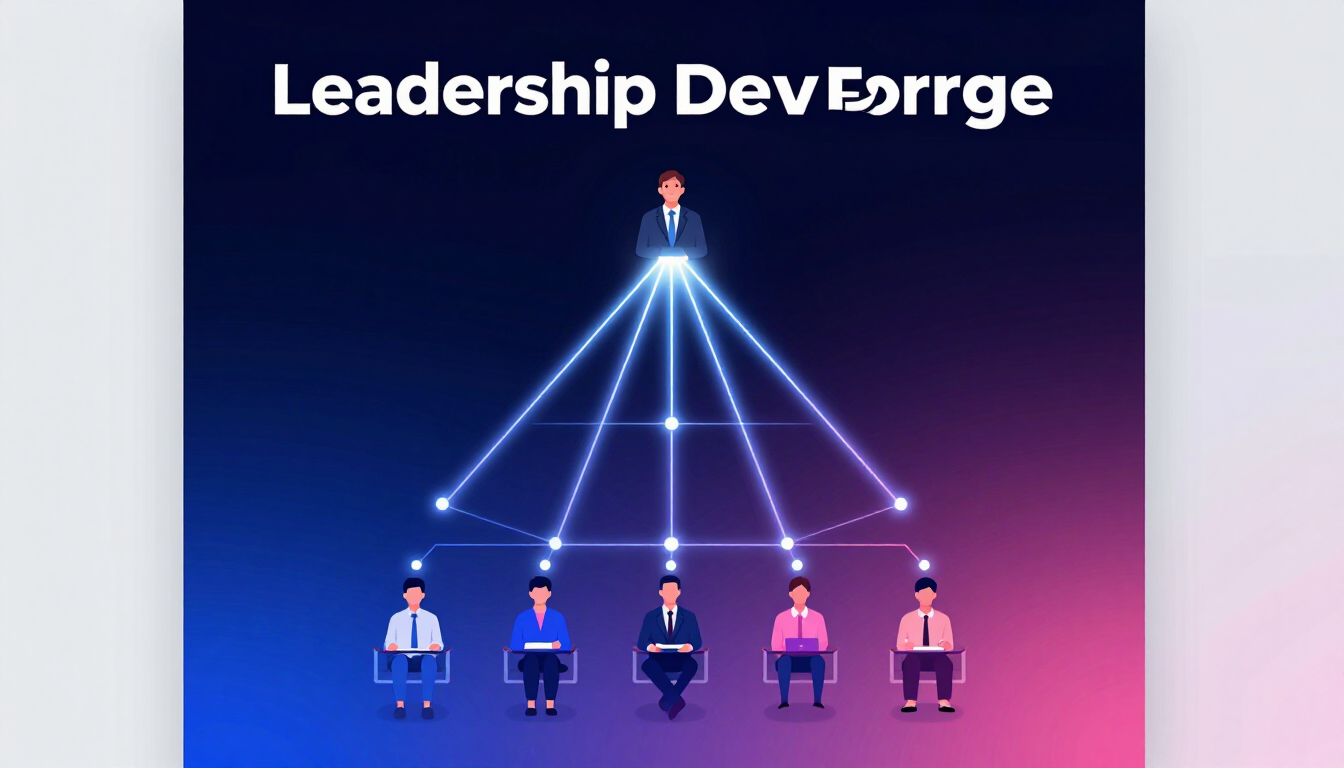
The Gap Between CEO and Company Mindset — And Why Closing It Determines Who Wins
The gap between CEO vision and company execution is one of the most underestimated reasons companies fail. Winning organizations close this gap through clear communication, visible strategy, aligned incentives, and leadership by example.
The Best Way to Win at a New IT Startup
Winning IT startups follow a consistent pattern: solve real problems, move fast, stay close to customers, manage money carefully, and maintain focus. These disciplines matter far more than luck or funding alone.
The New Attack Surface: How AI Is Exposing Banking, CRM, and ERP Systems From the Inside
Banking cores, CRM platforms, and ERP suites were once the boring, trusted backbone of the enterprise. In 2026, all three are racing to embed generative and agentic AI into their decision paths — and the attack surface is growing faster than security teams can map it. The threats below are not hypothetical; nearly all are drawn from incidents, vendor disclosures, and researcher findings from the past year.
Long-Context LLMs and the "Needle in a Haystack" Test: Can Models Really Use All That Context?
As large language models grow from context windows of a few thousand tokens to hundreds of thousands — and even millions — a natural question arises: just because a model can accept a huge amount of text, does it actually use all of it effectively? The "Needle in a Haystack" test emerged as the standard way to probe exactly this question. This article explains long-context LLMs, the needle-in-a-haystack methodology, what it reveals, and its limitations.
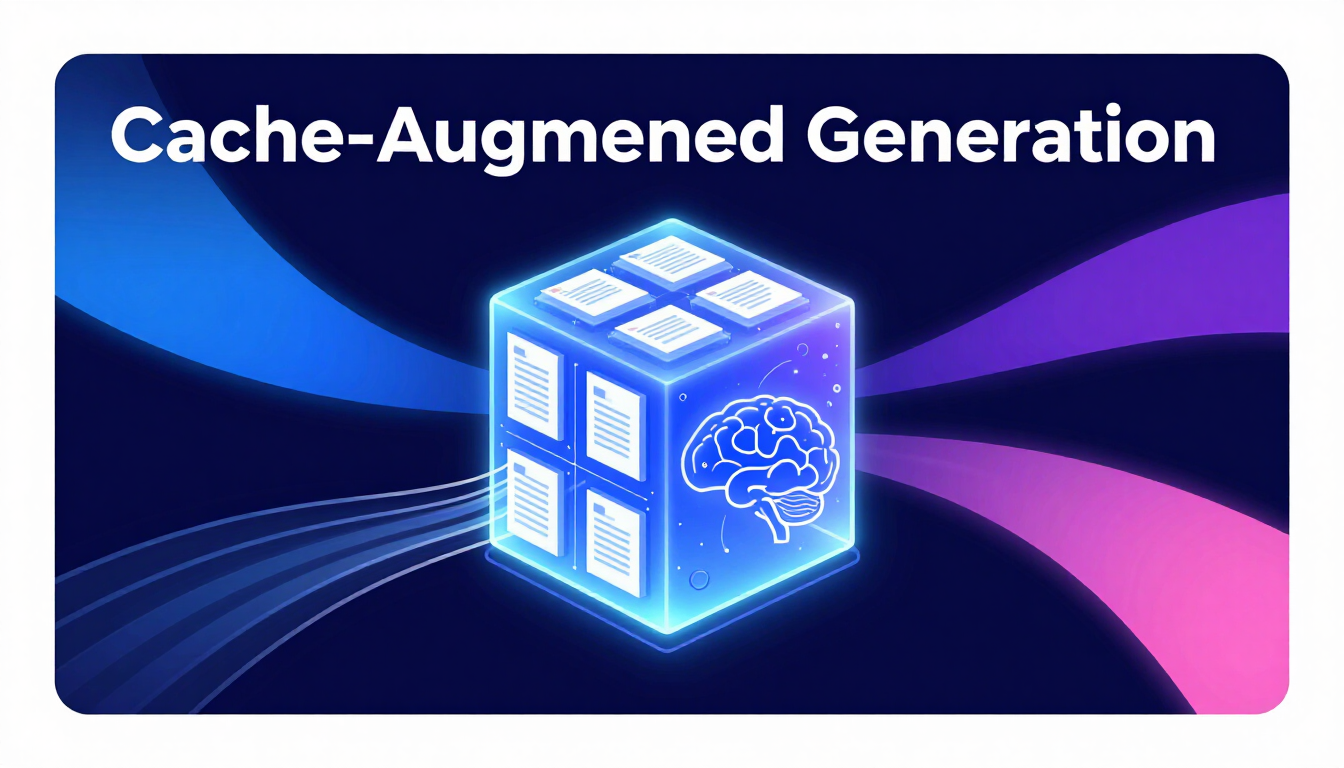
Cache-Augmented Generation (CAG): When You Can Skip Retrieval Entirely
Retrieval-Augmented Generation (RAG) has become the default architecture for grounding large language models in external knowledge. But RAG carries real overhead: it needs a retrieval system, adds latency at query time, and can fail when retrieval surfaces the wrong documents. Cache-Augmented Generation (CAG) offers an alternative for a specific but common situation — when your knowledge base is small enough to fit inside the model’s context window. Instead of retrieving documents on every query, CAG loads the knowledge once, caches the model’s processed state, and reuses it. This article explains what CAG is, how it works, and when it beats RAG.
Why New IT Startups Are Surviving
New IT startups are surviving at higher rates than ever before, thanks to cheaper cloud infrastructure, AI-powered tools, remote talent access, and more flexible business models that lower barriers to entry and growth.
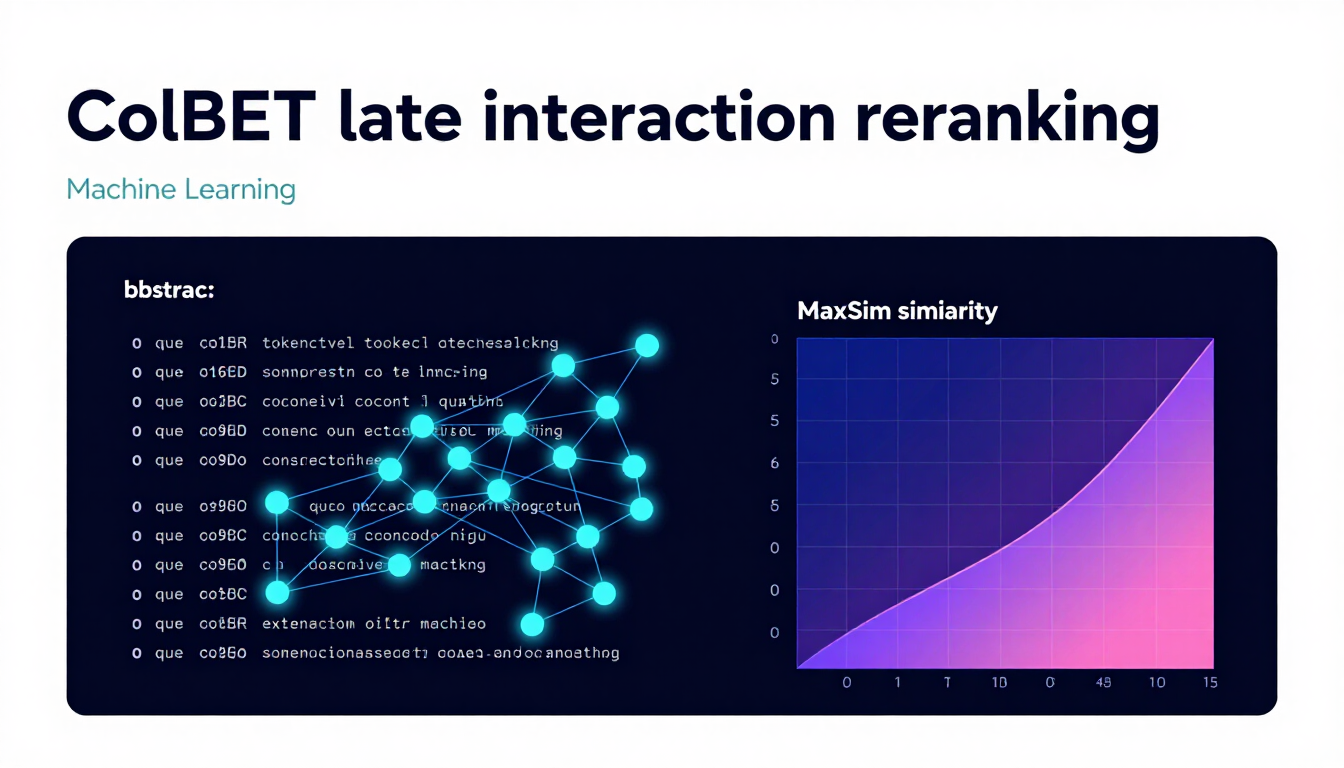
Late Interaction Reranking with ColBERT: Precision Without the Price
ColBERT’s late interaction mechanism delivers much of the accuracy of deep neural rerankers while remaining efficient enough to scale. This article explains what late interaction is, how ColBERT’s MaxSim scoring works, and why it has become a popular choice for reranking in modern retrieval pipelines.
Ragner: Enterprise AI Decision-Intelligence Workspace
Ragner is an enterprise AI decision-intelligence workspace that grounds every answer in your own governed knowledge — documents, connectors, a knowledge graph, and approved metrics — with citations, tenant isolation, role and attribute-based access, and a fail-closed stance when evidence is missing.
Winning with OpenRouter: The Advantages of a Unified AI Model Gateway
OpenRouter turns a fragmented landscape of AI providers into a single, OpenAI-compatible API. One integration, automatic fallbacks, cross-provider price optimization, multimodal access, and custom data policies — here are the key wins developers and organizations get from a unified AI model gateway.
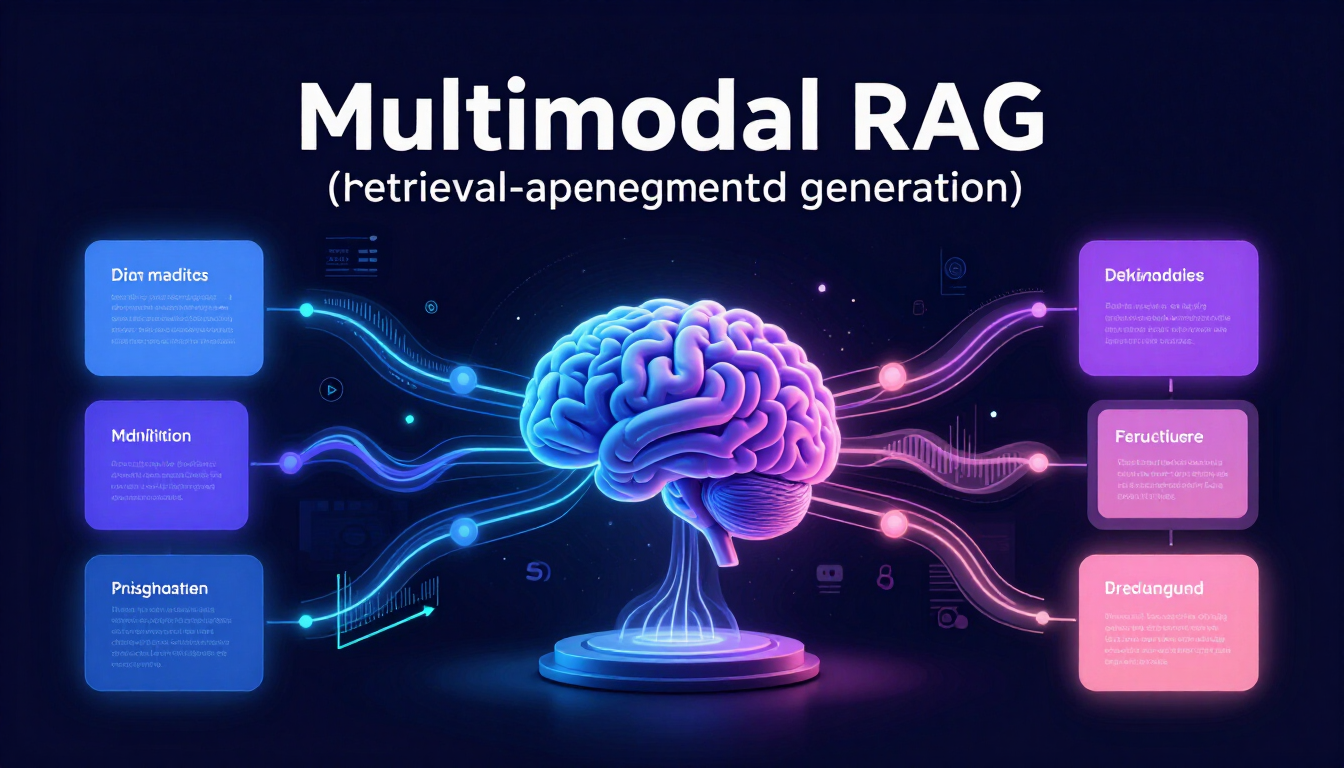
RAG: Multimodal Retrieval — Where Retrieval-Augmented Generation Meets the Real World
Multimodal RAG extends retrieval-augmented generation across text, images, audio, video, and structured data — grounding AI answers in verifiable, real-world evidence beyond text alone.
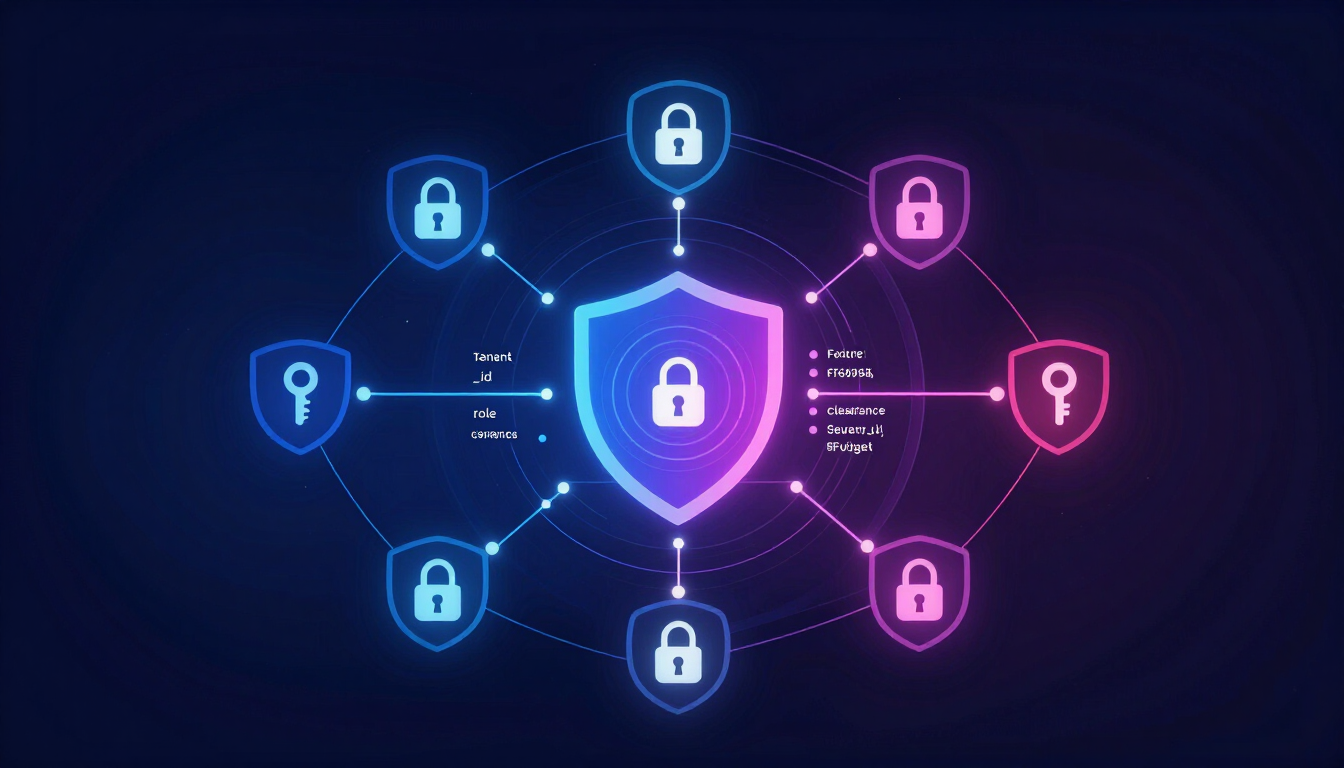
ABAC Over RBAC: Why Attribute-Based Access Control Wins in Multi-Tenant Security
As multi-tenant systems grow more complex, Role-Based Access Control buckles under role explosion and weak tenant isolation. Attribute-Based Access Control evaluates user, resource, and environmental attributes together — making it the stronger foundation for secure, scalable SaaS.
Data Leakage Prevention (DLP) During Synthesis
As organizations generate synthetic datasets, aggregate records, and derive outputs from sensitive source data, the synthesis process itself becomes a high-risk moment for leakage. DLP during synthesis is the discipline of ensuring no protected information escapes into outputs, logs, or intermediate artifacts.
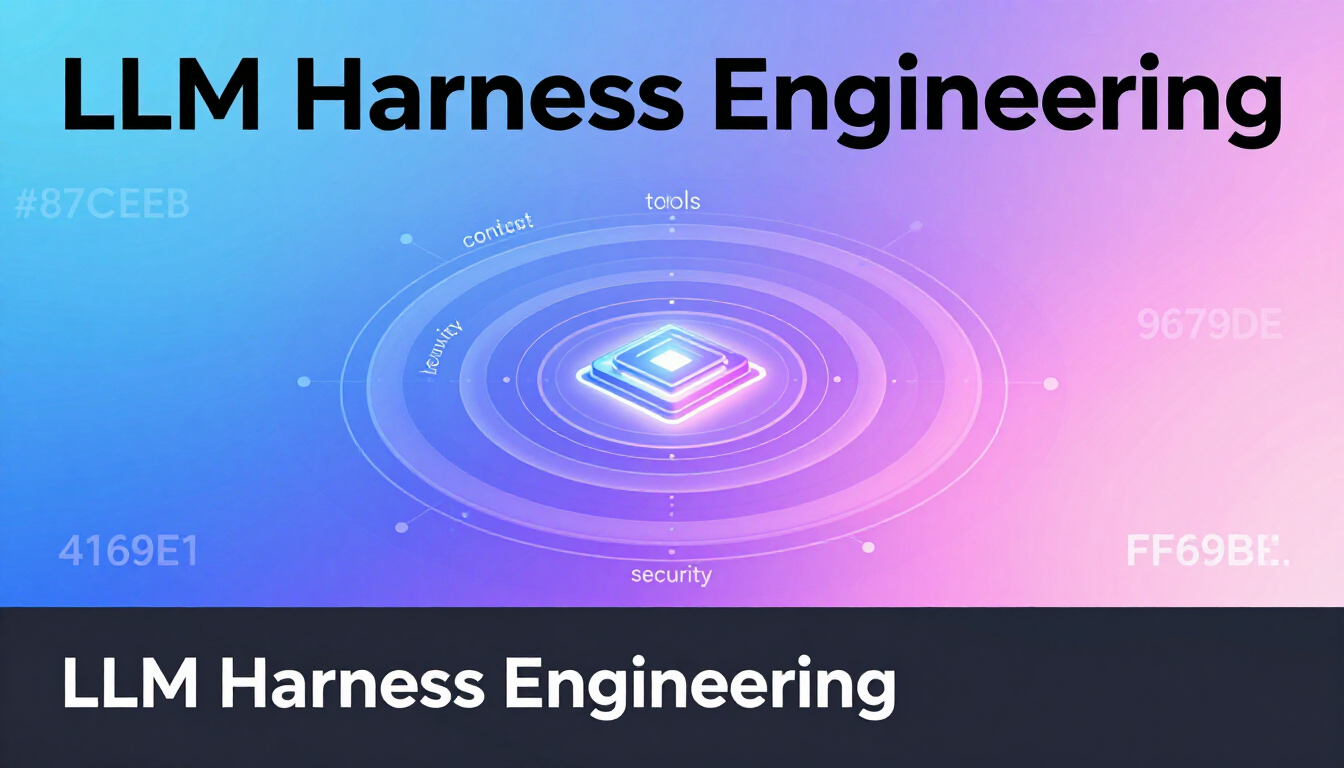
LLM Harness Engineering
The control layer around models: memory, tools, context, security and workflows. As LLM-based agents move into regulated, high-stakes production environments, the bottleneck has shifted from the model to everything around it — and that surrounding system now has a name: the harness.
Inside the Two-Senior Team: How We Run a Software Project End to End — From First Spec to Production Release
The operating playbook of a two-senior team: from intake and specification through architecture, task flow, release engineering, and handover — with no QA queue, no release manager, and no heroics.
Why Two Senior Developers Are Enough for Almost Any Software Project in the AI Era
With AI development tools, two senior developers can design, build, test, and ship most software projects faster than ten-person teams of five years ago.
RAG Systems Explained: How Enterprises Get AI Answers They Can Actually Trust
What RAG is, why enterprises need grounded and cited AI answers, and where naive implementations fail.
Challenges of Vertical AI: From Domain Intelligence to Enterprise-Scale Adoption
Vertical AI promises AI that understands a single industry deeply and performs real business work. But building it is far harder than pointing a large language model at an industry dataset. From fragmented enterprise data and hallucination to integration, controlled agents, security, compliance, and measurable ROI, this article maps the major challenges of Vertical AI and the strategic principles required to overcome them.