The Gap Between CEO and Company Mindset — And Why Closing It Determines Who Wins
The gap between CEO vision and company execution is one of the most underestimated reasons companies fail. Winning organizations close this gap through clear communication, visible strategy, aligned incentives, and leadership by example.
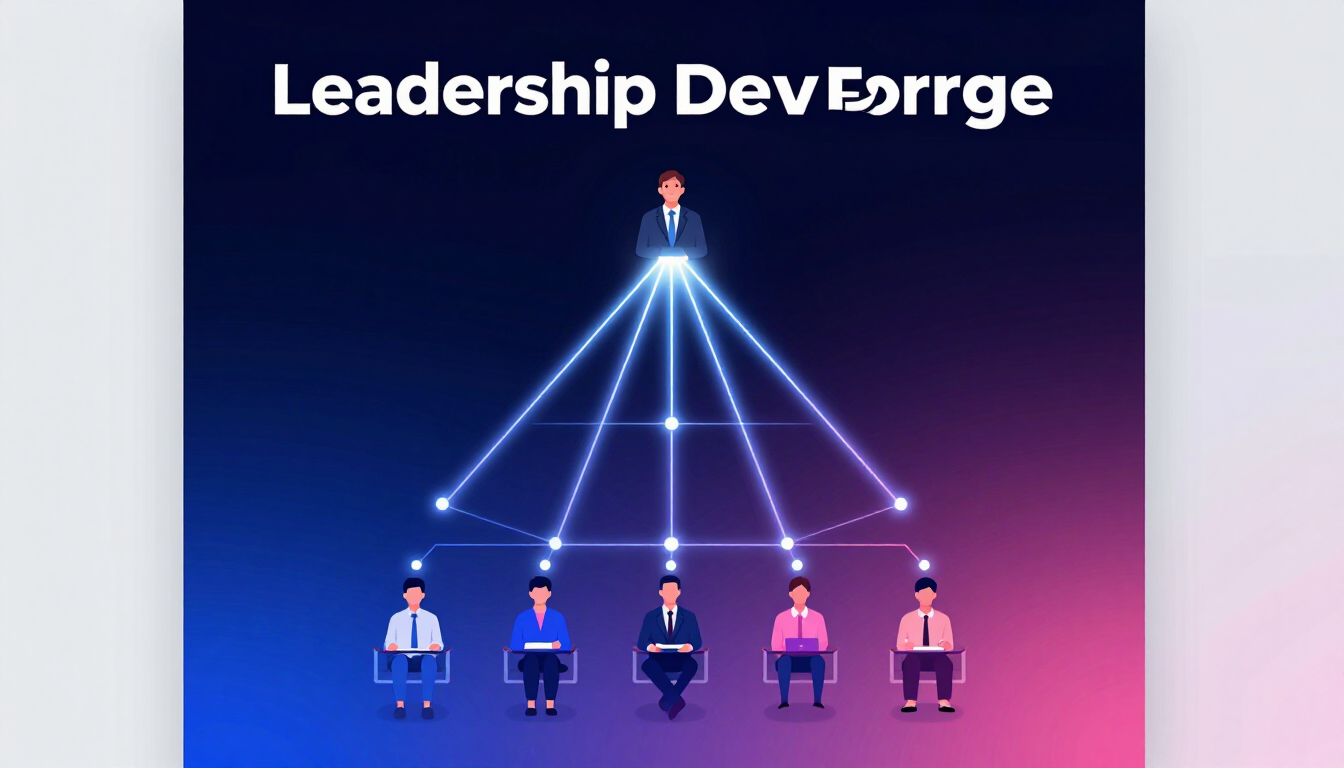
Every company has a vision at the top. Few companies have that vision fully alive at every level below it. This disconnect — the gap between how the CEO thinks and how the rest of the organization actually thinks and acts — is one of the most underestimated reasons startups and established companies alike fail to win, even when the strategy on paper looks strong.
What the "Mindset Gap" Actually Looks Like
A CEO often operates with a long-term, big-picture view: market positioning, five-year growth, investor expectations, competitive threats. Employees, meanwhile, are usually focused on immediate, tactical concerns: today's deadlines, their specific role, their own workload. When these two perspectives never connect, a gap forms — the CEO believes the company is moving toward a bold vision, while the team is simply executing disconnected tasks with no real sense of why.
This gap shows up in common ways:
Leadership announces a big strategic shift, but teams keep working the old way because nobody explained the "why."
The CEO obsesses over speed and innovation, while middle management rewards caution and process.
Leadership talks about "ownership" and "risk-taking," but the internal culture punishes failure, so nobody actually takes risks.
Company values are printed on the website but not reflected in how decisions are actually made day to day.
Why This Gap Is Dangerous
A mindset gap doesn't just cause miscommunication — it quietly kills execution speed and morale. When employees don't understand or believe in the mission the way the CEO does, they default to safe, low-effort behavior. Innovation slows. Decision-making bottlenecks at the top because nobody below feels empowered to act with the same conviction as leadership. Over time, this gap compounds: the company becomes a collection of people doing jobs, rather than a team pursuing a shared goal — and that's a critical disadvantage against competitors who have closed this gap.
How Winning Companies Close the Gap
1. Repeat the "Why," Not Just the "What"
Winning CEOs over-communicate the reasoning behind decisions, not just the decisions themselves. When people understand why a direction matters, they can make aligned decisions on their own, without waiting for instructions.
2. Make Strategy Visible in Daily Work
It's not enough for vision to live in board decks. Winning companies translate high-level strategy into clear, specific priorities at every level, so an individual contributor can see exactly how their daily work ladders up to the bigger goal.
3. Reward the Behavior You Want to See
If a CEO wants a culture of ownership and speed, the company's incentives, promotions, and praise need to actually reflect that. A mismatch between stated values and rewarded behavior is one of the fastest ways to widen the mindset gap.
4. Build Feedback Loops in Both Directions
Winning leaders don't just push vision downward — they actively listen to what's happening on the ground. Regular, honest feedback channels help leadership catch when the gap is widening before it becomes a serious execution problem.
5. Hire and Promote Culture Carriers
People closest to the CEO's mindset — whether early employees, team leads, or department heads — act as translators of vision into daily execution. Investing in these people and giving them real authority helps the mindset spread naturally through the organization rather than getting diluted layer by layer.
6. Lead by Visible Example
Employees watch what leadership does far more than what they say. When a CEO visibly takes risks, admits mistakes, and prioritizes the mission over ego, it gives the rest of the company permission to do the same.
The Companies That Win Are the Ones That Think Alike
Alignment between a CEO's mindset and the company's actual, lived mindset isn't a soft, "nice to have" cultural detail — it's a direct driver of execution speed, innovation, and resilience under pressure. Companies that close this gap move faster because decisions don't need to be pushed down from the top every time; the whole organization thinks and acts with the same conviction as its leader. Companies that don't close it end up with a talented CEO and a disconnected team — and in competitive markets, that gap is often the real reason one company wins and another quietly falls behind.